

 Mediators utilize a process that expands the parties’ option-space before narrowing to agreement. Discussions to create options for problem solving include: brainstorming, multiple-offer consideration, packaging, contingent agreements, and “multiple pathways” exploration.
The Mediation process with help to identify complementary interests, timing differences, risk-sharing, information-sharing, and low-cost/high-value concessions.
Mediators are trained to be attentive to predictable decision traps that impair resolution quality. Mediation approaches will use neutral reframing of comments and structured comparison to reduce anchoring of positions, reactive devaluation of options, overconfidence in certain solutions, and “single-story” fixation on solutions.
Mediators will help parties stress-test the “workability” (logistics, feasibility, timing, dependencies) of options and agreements.
The Mediator will summarize points of agreement/disagreement neutrally and consistently.
A mediator will employ practices that enhance participant capacity, including:
- Supporting informed participation (process clarity, role clarity, decision points).
- Encouraging articulation of interests, priorities, constraints, and concerns.
- Ensuring opportunities for questions, reflection, and private consultation.
- Actively monitoring imbalance that impairs meaningful participation and using process adjustments to restore effective voice.
A mediator will:
- Promote informed participation and clarity of process
- Support articulation of interests, priorities, risks, and constraints
- Encourage meaningful voice and balanced participation
- Use process adjustments to address power or information imbalance
 A mediator will employ practices that enhance participant capacity to make informed, voluntary, and effective decisions, including clarification of interests, exploration of options, and evaluation of trade-offs, while preserving individual’s control over outcomes.
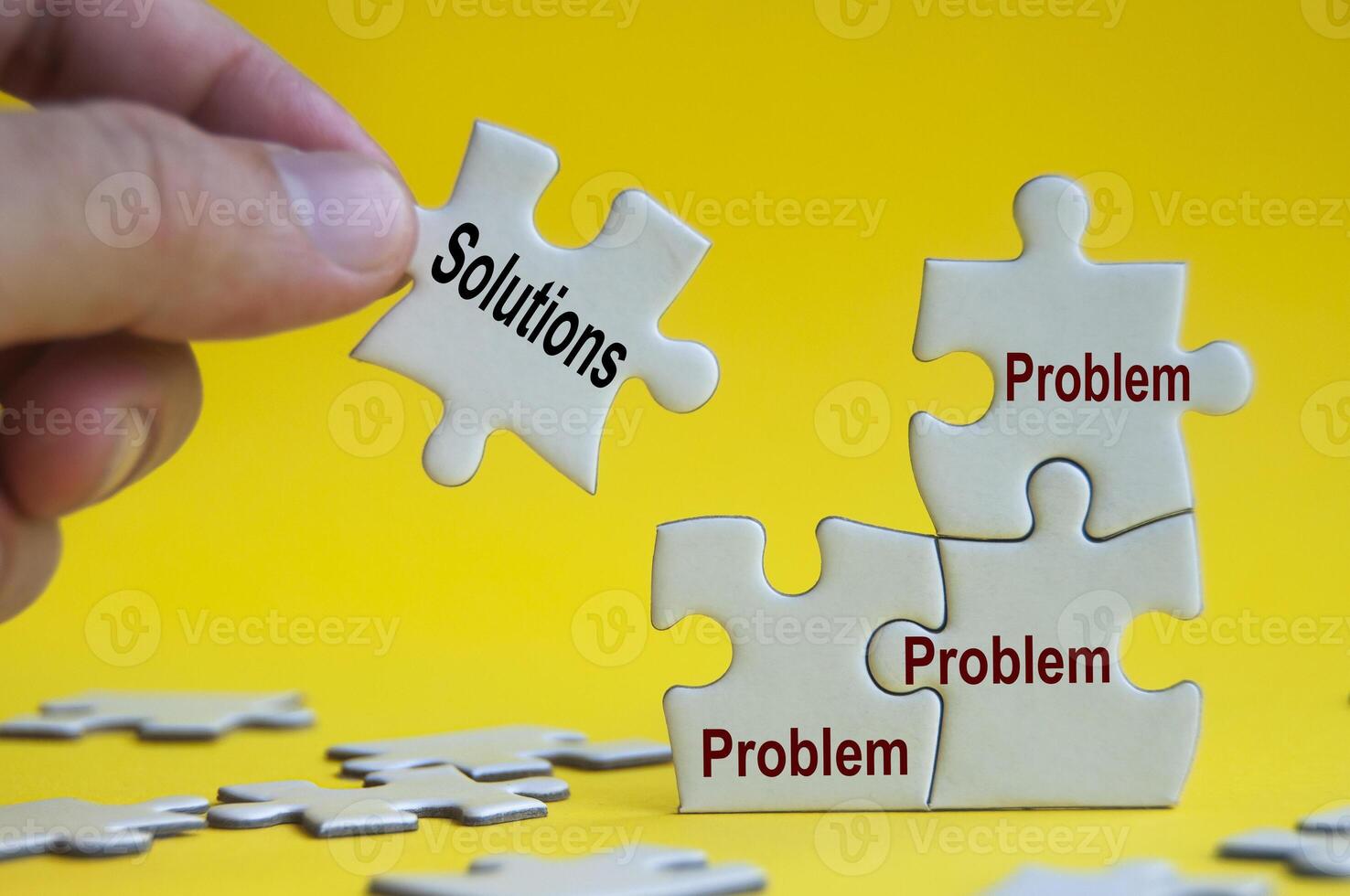
A mediator will support a problem-solving process that improves the clarity, feasibility, and durability of agreements by encouraging option-space expansion, reality-testing, and implementation planning.
Agreements will address interests and emotions to enhance the compliance to any agreements after a number of months. The need for renegotiation frequency will be less, enforcement actions will be considered acceptable by both parties, with a reduced return-to-conflict incidence.
Where the parties realize that they have choices, there will be greater understanding of each other’s views, confidence in agreement as they have achieved the agreement themselves with a fairness perception and a sense of empowerment as they have self determined the outcome.
The mediation process has many advantages to problem solve to reduce conflict.

